AstroAI tire inflator review: if you want a low-cost 12V inflator for routine top-ups and occasional roadside use, this model is one of the most practical options to consider.
This review focuses on the AstroAI 12V 160 PSI integrated-metal-structure model and evaluates where it appears to fit best based on public specifications, product positioning, and common buyer use cases.
It is not the right tool for every driver. But for regular top-ups, occasional low-tire situations, and buyers who want a straightforward inflator without spending premium money, it is often worth considering.

Quick Verdict
Short version: The AstroAI 12V 160 PSI model appears best suited for buyers who want a budget-friendly inflator for routine maintenance and occasional roadside use.
- Best for: everyday drivers, compact cars/sedans/CUVs, trunk-ready emergency kits
- Not ideal for: buyers expecting heavy-duty repeated inflation sessions
- Core strength: practical value and simple setup
- Main trade-off: less margin for demanding, high-frequency use versus larger compressor-style units
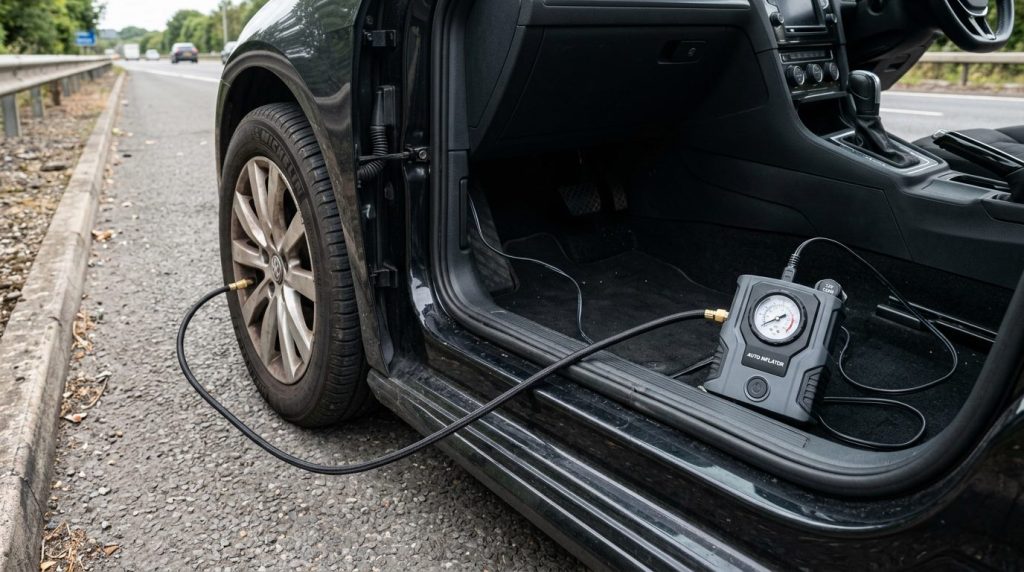
Product Snapshot
- Model reviewed: AstroAI 12V Tire Inflator (160 PSI, integrated metal structure variant)
- Power source: 12V car outlet (corded)
- Claimed max pressure: 160 PSI
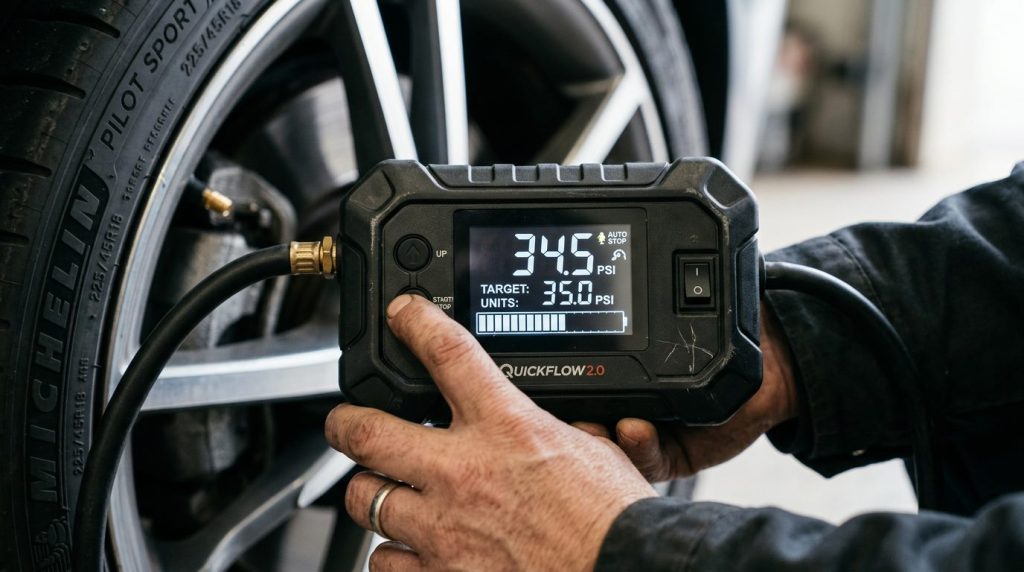
- Notable features surfaced publicly: digital pressure display, auto shut-off behavior category, LED light (varies by listing details), pressure monitoring features
- Positioning: budget to mid-budget everyday inflator
Pros and Cons
Pros
- Usually affordable versus premium cordless/hybrid competitors
- 12V power keeps it simple for in-car use
- Compact enough for most trunk setups
- Feature set is practical for daily drivers (preset pressure workflow category, digital readout category)
Cons
- Corded setup is less convenient than cordless grab-and-go use
- Not the most robust choice for repeated heavy-duty inflation cycles
- Cable/hose workflow can feel slower than higher-end compressor systems
- Real performance depends on tire size, starting PSI, temperature, and duty limits
What You Get Right With AstroAI
For many buyers, the biggest win is that this type of inflator reduces friction. You can keep it in the trunk, connect to 12V power, set target pressure, and handle routine top-ups without extra ecosystem decisions (battery platform, separate chargers, tool-only bundles, and so on).
Based on its feature set and positioning, AstroAI is likely a better fit for drivers who care more about “always available in the car” than about premium tool-style performance.
If your goal is predictable maintenance convenience at lower cost, that is where this model makes the most sense.
Where It Can Fall Short
The common mistake is assuming all inflators with a high claimed PSI range perform similarly across all use patterns. In practice, that is rarely true.
This AstroAI model appears best suited for light-to-moderate duty use. If you frequently inflate larger-volume tires from significantly low pressure, or regularly handle multiple vehicles back-to-back, a more compressor-oriented unit may be a safer long-term fit.
So the decision is less about headline PSI and more about your weekly or monthly usage pattern.
Ease of Use and Storage
For everyday drivers, this category is mostly about friction:
- Is it already in the car?
- Is setup obvious when stressed?
- Does it store without becoming clutter?
- Can you read the pressure display quickly?
AstroAI generally scores well on those practical points in the budget segment. A compact corded inflator is likely worth considering if you want low complexity and no charging routine.
Buyers who hate cable management may prefer cordless alternatives, but they trade away always-on 12V availability and introduce battery upkeep.
Performance Expectations (Without Hype)
A realistic expectation for this AstroAI class is:
- Good for routine pressure maintenance
- Good for occasional low-tire correction
- Adequate for most normal passenger-car scenarios
- Less ideal as a high-demand, frequent-use compressor replacement
What matters more than people think is consistency under your actual pattern, not one-off marketing claims. If your use is occasional and practical, AstroAI can be a sensible match. If your use is frequent and demanding, step up to a heavier-duty design.
Build, Reliability Signals, and Ownership Fit
Public-facing specs position this model as an entry-value practical tool, not an industrial-grade compressor. That is not a negative if your expectations are aligned.
A good way to decide:
- Choose this if you want affordable coverage for normal driving life
- Skip this if you want maximum speed/duty confidence for larger tires and repeated sessions
- Consider hybrid or higher-duty models if you need wider power flexibility or stronger continuous-use behavior
Who Should Buy It
This AstroAI inflator appears best suited for:
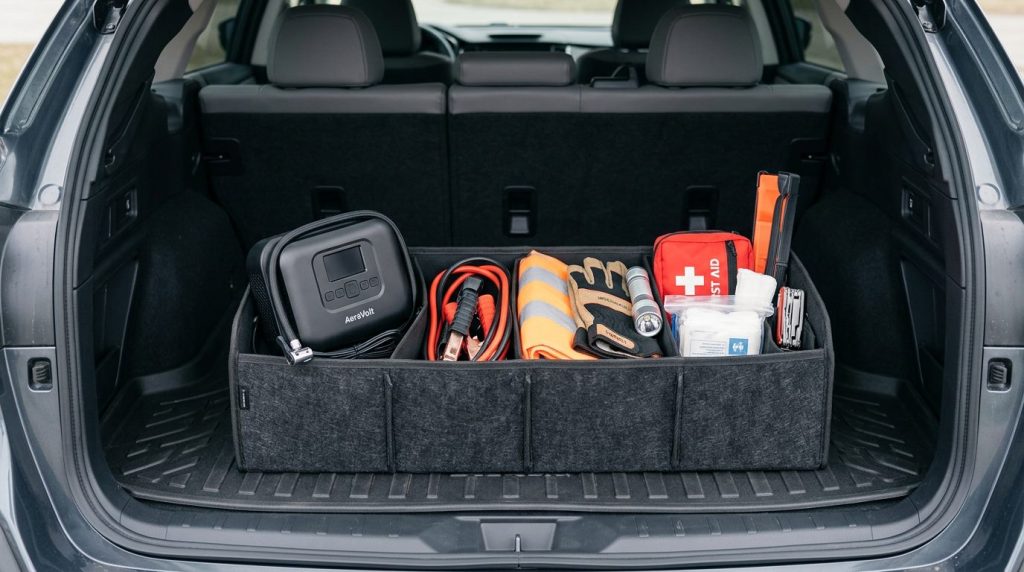
- Drivers building a first emergency trunk kit
- Commuters who want a low-cost tire-pressure backup
- Households with 1–2 cars and light maintenance needs
- Buyers prioritizing value and simplicity over premium performance
Who Should Skip It
Likely not the best fit for:
- Drivers frequently inflating larger tires from very low pressure
- Buyers wanting heavy-duty workshop-style usage
- People who strongly prefer cordless-only convenience
- Users who prioritize highest runtime/output over compact storage
Better Alternatives for Specific Needs
If AstroAI is close but not perfect, these alternatives are usually better by use case:
- Need stronger 12V compressor feel: VIAIR 88P / 85P style units
- Need cordless convenience first: Fanttik X9 Pro class
- Need multi-power flexibility: DEWALT DCC020IB class (battery + 12V + AC)
For category context, see:
- Best Portable Tire Inflators for Cars
- Best Cordless Tire Inflators for Cars
- Best 12V Tire Inflators for Cars
- Tire Inflators Hub
Final Verdict
The AstroAI tire inflator is a practical, budget-friendly choice when judged for what it is: a compact 12V everyday inflator for regular maintenance and occasional roadside use.
It is not trying to be the most heavy-duty option in the category. But based on public specs and intended use, it appears to deliver solid value for drivers who want a simple tool that stays in the trunk and gets the job done without overcomplicating the purchase.
If your use case is normal daily driving and periodic top-ups, this is a reasonable buy. If your use case is higher-demand and frequent, move up to a stronger compressor-oriented model.
For buyers comparing entry-level options, this AstroAI tire inflator review suggests it is a sensible fit for light-to-moderate use, but not the best choice for repeated heavy-duty inflation.
FAQ
Is AstroAI a good tire inflator brand for normal drivers?
For many everyday drivers, yes. It is often worth considering if your priority is practical features at a lower price point.
Is this AstroAI model enough for SUVs?
It depends on usage intensity. For light-to-moderate top-ups, it may be enough. For repeated heavier sessions, a more duty-oriented compressor is likely a better fit.
Cordless or 12V AstroAI: which should I choose?
Choose 12V if you want always-available in-car power and lower cost. Choose cordless if you value faster grab-and-go convenience and accept battery upkeep.
Does higher PSI automatically mean better real-world performance?
No. Duty behavior, airflow characteristics, heat management, and your real usage pattern matter more than headline PSI alone.
Is AstroAI good as a first emergency inflator?
Yes, for many buyers it is a practical first step because it balances price, size, and everyday usability.
Sources
- AstroAI 12V 160 PSI product page (Blue):
https://www.astroai.com/tire-inflator-portable-air-pump-160psi-blue/ap/10001901 - AstroAI 12V 160 PSI product page (Yellow variant):
https://www.astroai.com/tire-inflator-portable-air-pump-160psi-yellow/ap/10001894 - AstroAI product family pages (for lineup context):
https://www.astroai.com/handheld-air-compressor-tire-inflator-cordless-160psi-blue/ap/10002034
https://www.astroai.com/handheld-air-compressor-160psi-yellow/ap/10002249